Spring in the Midwest brings an explosion of pollen that can quietly overwhelm your home’s air quality. If you’re relying on the wrong HVAC air filter in Akron, OH, you might actually be making things worse instead of better. Many homeowners assume that any filter will do the job, but improper selection or neglecting regular replacement can lead to poor airflow, higher allergen levels, and unnecessary strain on your system.
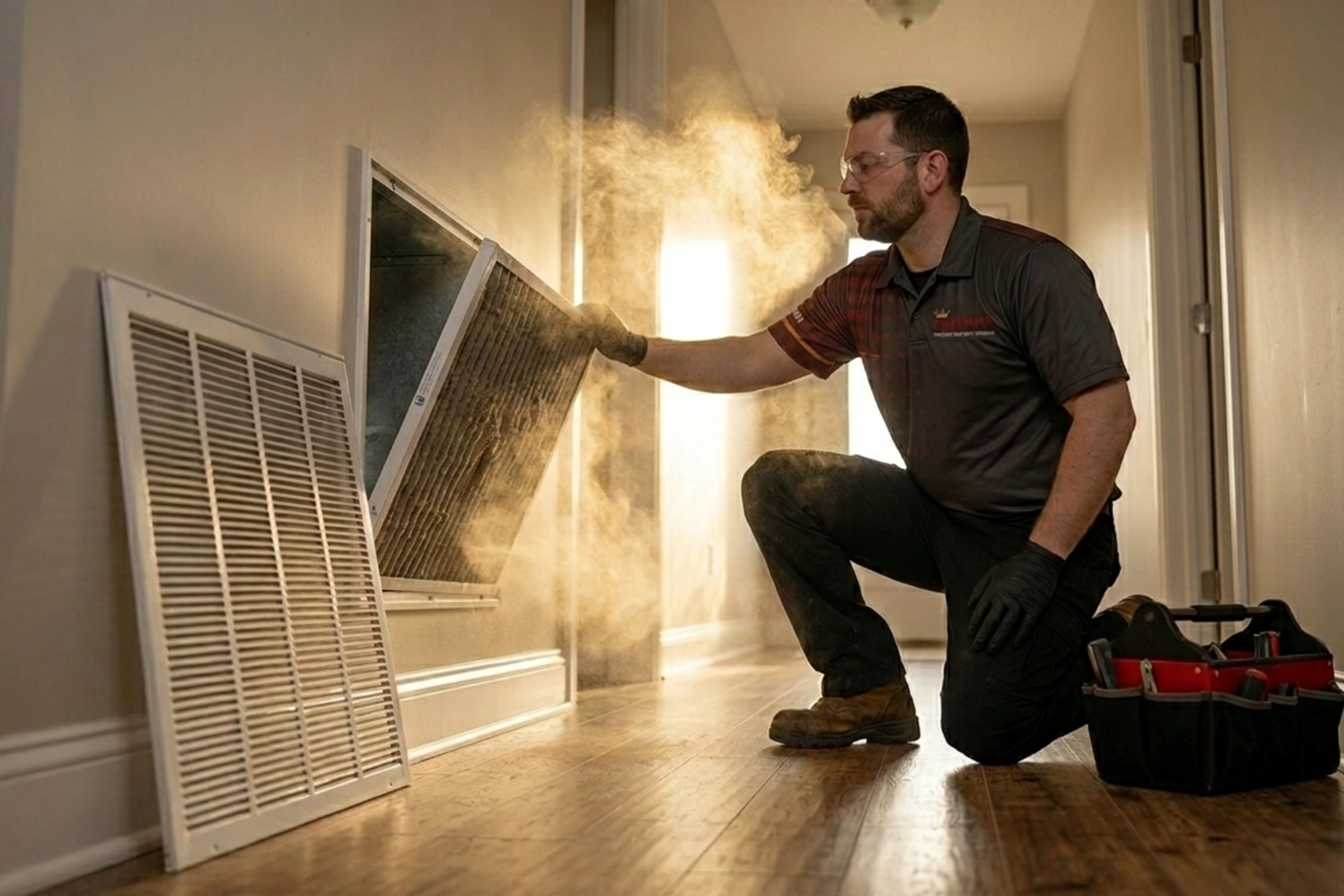
Why Your Filter Matters More Than You Think
Your HVAC filter is your home’s first defense against contaminants like pollen, dust, pet dander, and mold spores. During pollen season, your HVAC system is pulling these particles in every time it runs. A properly selected filter traps these pollutants before they circulate, improving indoor air quality and protecting your equipment.
However, not all filters are created equal. Choosing the wrong type can either fail to capture enough particles or restrict airflow so much that your system struggles to keep up. Both scenarios can leave your home less comfortable and your air less healthy.
Understanding MERV Ratings
One of the most important factors when selecting a filter is its MERV rating (Minimum Efficiency Reporting Value). This measures how effectively a filter captures particles of varying sizes. Lower-rated filters (MERV 1–4) only catch large debris, while mid-range filters (MERV 8–11) are better at capturing pollen and common allergens.
Higher-rated filters (MERV 13 and above) can trap even smaller particles, but they aren’t always ideal for every system. Some HVAC units aren’t designed to handle the increased resistance, which can reduce efficiency and even cause long-term damage. The goal is to strike the right balance between filtration and airflow.
The Hidden Danger of Dirty Filters
Even the best filter won’t help if it’s clogged. During heavy pollen months, filters can become saturated much faster than usual. A dirty filter restricts airflow, forcing your HVAC system to work harder to maintain the desired temperature. This not only increases energy bills but also accelerates wear and tear on key components.
Worse, a clogged filter can allow contaminants to bypass the filter entirely, circulating allergens back into your living space. If your home feels stuffy, dusty, or triggers allergy symptoms despite running the AC, your filter may be overdue for a change.
How Often Should You Replace It?
In peak pollen season, the standard “every 90 days” guideline often isn’t enough. Many homeowners benefit from checking their filters monthly and replacing them every 30–60 days, depending on factors like pets, household size, and local pollen levels. If the filter looks gray or clogged, it’s time for a replacement—regardless of how long it’s been installed.
Choosing the Right Solution for Your Home
Every home and HVAC system is different, which is why there’s no one-size-fits-all answer when it comes to filters. Factors like system capacity, ductwork design, and indoor air quality needs all play a role in determining the best option.
If you’re unsure whether your current filter is helping or hurting your air quality, it’s worth getting expert guidance. A simple upgrade now can make a noticeable difference in your comfort, health, and system performance.
Contact Crown Heating, Cooling & Plumbing today with any questions or to make an appointment.