If you’ve noticed a sudden drop in water flow at your faucets or showerheads, you’re not alone. Many homeowners experience frustrating issues with water pressure in Canton, OH at some point. While it may seem like a minor inconvenience, low water pressure can signal underlying problems that shouldn’t be ignored. Understanding the possible causes can help you take the right steps toward restoring proper flow and protecting your plumbing system.
Clogged Fixtures and Aerators
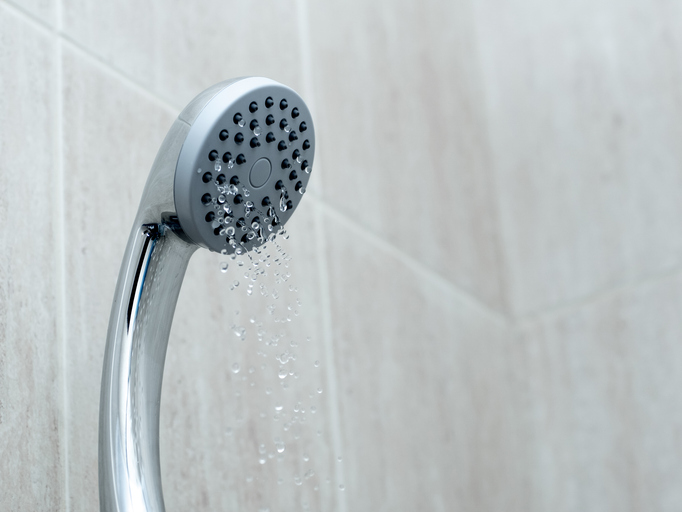
One of the most common—and easiest to fix—causes of low water pressure is buildup in your fixtures. Over time, minerals and debris can accumulate in faucet aerators and showerheads, restricting water flow. If the issue is isolated to a single fixture, this is likely the culprit. Cleaning or replacing the affected component can often restore normal pressure quickly.
Hidden Leaks in Your Plumbing System
Leaks aren’t always obvious. Even a small, hidden leak in your pipes can reduce overall water pressure throughout your home. You might notice damp spots, higher water bills, or the sound of running water when no fixtures are in use. Left unaddressed, leaks can lead to significant water damage and costly repairs, making early leak detection essential.
Partially Closed Valves
Another simple but often overlooked issue is a partially closed shut-off valve. Your home’s main water valve or the meter valve may have been accidentally turned off or not fully reopened after recent plumbing work. This restriction can limit the amount of water entering your home, resulting in reduced pressure across all fixtures.
Corroded or Aging Pipes
Older homes, especially those with galvanized steel pipes, may experience low water pressure due to corrosion buildup inside the pipes. Over time, this buildup narrows the interior diameter, restricting water flow. Unfortunately, pipe replacement may be necessary to fully resolve the issue and improve your plumbing system’s performance.
Municipal Supply Issues
Sometimes, the problem isn’t inside your home at all. Municipal water supply issues, such as maintenance work, pipe breaks, or high demand during peak usage times, can temporarily reduce water pressure. If your neighbors are experiencing similar problems, it may be worth checking with your local water provider.
Pressure Regulator Problems
Homes equipped with a pressure regulator rely on this device to maintain consistent water pressure. When it malfunctions, you may experience a noticeable drop (or even a spike) in pressure. Diagnosing and replacing a faulty regulator requires professional expertise to ensure safe and accurate adjustments.
Take Action Before It Gets Worse
Low water pressure is more than just an annoyance—it’s often a sign that something in your plumbing system needs attention. Ignoring it can lead to bigger issues, including water damage, inefficient appliances, and higher utility costs. The sooner you address the problem, the easier and more affordable it is to fix.
If you’re experiencing ongoing pressure issues, it’s time to bring in a professional. Our experienced plumbing team can quickly identify the root cause and provide reliable solutions to restore proper water flow in your home. Don’t wait for the problem to escalate—schedule an inspection today and get your plumbing system back on track.
Contact Crown Heating, Cooling & Plumbing today with any questions or to make an appointment.