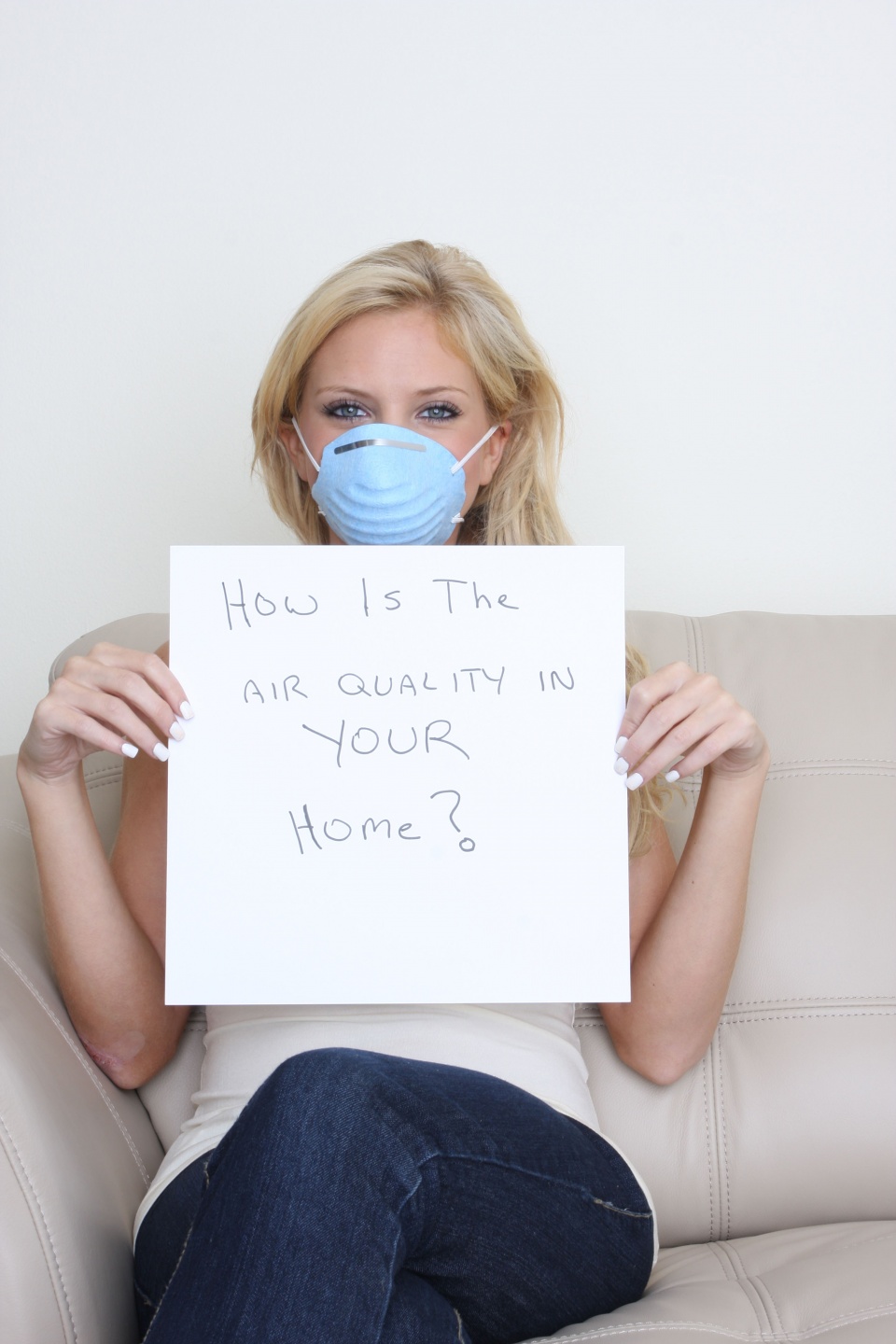
While the time period we often refer to as “The Pandemic” may be over, COVID-19 is still a real threat. At the time of writing this in February of 2023, there were an average of 38,000 hospitalizations and 4,700 ICU patients over a 7-day period.
COVID-19 is still with us and perhaps you’ve wondered if there’s a way you can remove COVID-19 particles from the air in your home to protect yourself and your family. Indoor air quality (IAQ) refers to the condition of the air inside buildings and homes, influenced by pollutant sources, ventilation rates, and moisture levels. Indoor air pollution is the presence of harmful substances in indoor air, and indoor pollutant levels can be two to five times higher than outdoor levels, making proper management critical for long-term health. The World Health Organization and Environmental Protection Agency provide guidelines and resources for indoor air quality, including the EPA Indoor airPLUS label for new homes that prioritize cleaner air quality.
Indoor air quality management involves source control, improved ventilation, including mechanical ventilation devices and air handling systems, and air cleaning, such as using air cleaners and HEPA filters. Using air filters in heating and cooling systems, including central heating and cooling systems, can trap dust and other particles, improving indoor air quality. Maintaining indoor relative humidity levels between 30-50% helps reduce mold and dust mite levels, and ventilation helps control humidity levels to prevent mold growth and maintain a comfortable living environment. Dust mites, animal dander, and mold thrive in poorly maintained or humid indoor environments, and excess moisture fosters rapid mold growth and dust mite infestations.
Sources of indoor air include building materials, combustion appliances, household products, and activities like cooking or cleaning. Identifying indoor air sources is crucial for mitigating indoor air quality problems. Outdoor air enters and flows into buildings through infiltration, natural ventilation, and mechanical ventilation, with air movement and air exchange rate affecting indoor air quality. Air temperature differences drive natural ventilation and infiltration, impacting air movement and air exchange rates. Too little outdoor air or poor ventilation can increase indoor pollutant levels, so having enough outdoor air is necessary to dilute pollutants indoors. Increasing ventilation by opening windows or using exhaust fans, especially in kitchens and bathrooms, can help reduce indoor air pollutants by allowing fresh outdoor air to circulate indoors and eliminate moisture and pollutants.
Outdoor air quality and outdoor air pollution, such as ozone and particulate matter, also affect indoor air quality, as outdoor air coming indoors can bring in pollutants. Radon, pesticides, and outdoor air pollution can enter indoor spaces through cracks in the foundation, windows, and doors. Combustion sources, such as natural gas appliances, release carbon monoxide and nitrogen dioxide, while new furniture and carpets emit harmful volatile organic compounds (VOCs). VOCs are emitted by various indoor products, including paints, cleaning supplies, and building materials, and their concentrations can be up to ten times higher indoors than outdoors. Secondhand tobacco smoke is a significant indoor air pollutant, containing over 7,000 chemicals and leading to respiratory issues and other serious health conditions.
Long-term exposure to indoor air pollutants, such as VOCs and particulate matter, can lead to chronic respiratory diseases, heart disease, and cancer, with effects often not appearing until years after exposure. Radon is a colorless, odorless gas that can accumulate indoors, particularly in basements, and is a significant risk factor for lung cancer. The importance of average pollutant concentrations found indoors is still being studied, as it is unclear what levels are sufficient to cause specific health problems, and individual reactions can vary. Considering that people spend about 90% of their time indoors, indoor air quality is a major health factor for everyone, especially vulnerable groups.
Does an air scrubber kill COVID, or is there no way to do it?
Introduction to Indoor Air Quality
Indoor air quality (IAQ) is all about the condition of the air inside your home or any building you spend time in. It’s more than just how fresh the air smells, good indoor air quality means the air is clean, comfortable, and safe to breathe. On the other hand, poor indoor air quality can make you feel unwell, cause discomfort, or even lead to long-term health problems. Factors like how well your home is ventilated, how effective your air filtration is, and the presence of indoor air pollutants all play a role in determining your IAQ. By understanding what affects indoor air quality, you can take steps to create a healthier indoor environment for yourself and your family.
Causes of Poor Indoor Air Quality
There are several reasons why the air inside your home might not be as clean as you’d like. One of the biggest culprits is inadequate ventilation, which allows indoor air pollutants to build up over time. These pollutants can include carbon monoxide, nitrogen dioxide, and volatile organic compounds (VOCs), all of which can come from everyday sources like building materials, furniture, and household products. Poor maintenance of your heating, ventilation, and air conditioning (HVAC) system can also contribute to poor indoor air quality by allowing dust and other air pollutants to circulate. Identifying and controlling these sources is key to improving your home’s air quality and keeping your indoor air fresh and healthy.
Indoor Air Pollutants: What’s Lurking in Your Home’s Air?
You might be surprised by what’s floating around in your indoor air. Common indoor air pollutants include particulate matter, nitrogen dioxide, carbon monoxide, VOCs, and even secondhand smoke. These pollutants can come from a variety of sources, combustion appliances, building materials, cleaning products, and even everyday activities like cooking or smoking. Exposure to indoor air pollutants can have a range of health effects, from mild irritation and headaches to more serious respiratory diseases. Understanding where these air pollutants come from and how they affect human health is the first step toward reducing your exposure and working to improve indoor air quality in your home.
Yes, Air Scrubbers Can Disarm COVID-19
Viruses like COVID-19 are measured in micrometers. COVID-19 has a particle size of 0.1 micrometers, which can be picked up by air filters. However, air filters are not enough to pick up all COVID-19 particles. Not only that, but they don’t neutralize those particles; they simply trap them.
Air scrubbers work differently. They use titanium dioxide rods with a UV light inside. Air passes through, and the combined efforts of the titanium dioxide and UV light kill contaminants. That includes COVID-19. Air scrubbers are a type of air cleaner, and using high-efficiency particulate air (HEPA) filters in HVAC systems is another effective way to improve indoor air quality.
Air scrubbers work best as part of a comprehensive indoor air quality management strategy, which also includes source control and improved ventilation, often facilitated by air handling systems.
Are Air Scrubbers Good for Anything Else?
Air scrubbers rose in popularity as a result of people searching for in-home devices due to COVID-19, but they provide more benefits.
- Can Prevent Sick Building Syndrome: Sick building syndrome, or SBS, is the result of poor air circulation. Even when air is circulated, it can continuously push contaminants through the air and actually increase the chance of you inhaling them. They hit your respiratory system and can make you sick. Neutralizing those contaminants before they go through your HVAC system is how you take control of the fight.
- Reduces Respiratory Inflammation: Even if you don’t have an allergy to dust, it’s still not helpful to breathe it in on a constant basis. You shouldn’t have to worry about breathing in VOCs. There are plenty of contaminants like dander and dust that air scrubbers can kill. Air scrubbers also help lower indoor pollutant levels, including common allergens such as dust mites and animal dander, which can trigger allergic reactions and asthma.
- Controls Humidity and Biological Contaminants: Maintaining proper indoor humidity levels between 30-50% helps reduce mold and dust mite levels, both of which are common indoor allergens. Excess moisture fosters rapid mold growth and dust mite infestations, while mold, dust mites, pet dander, and pest droppings thrive in poorly maintained indoor spaces.
- Surface Contaminant Reduction: When particles come through your HVAC vent, they fall onto surfaces. If you’ve ever seen dust particles falling to surfaces below in the middle of concentrated, bright natural light, then you know exactly what we’re talking about. That’s happening all around your home. If an air scrubber kills those contaminants before they come through your AC vents, you reduce the amount that lands on surfaces by a large degree.
- It Works Fast: Air scrubbers make an enormous change in your indoor air quality and quality of life in as little as 24 hours after installation, even though your HVAC system isn’t running 24/7.
In short, air scrubbers can make massive improvements to your quality of life without being ridiculously expensive. Yes, some maintenance will be required and the rods will have to be changed out every once in a while, but the benefits are beyond worth it.
Air Scrubbers Are Great for a Healthier Life
Beyond just killing COVID-19 particles, air scrubbers help you live a healthier, happier life by improving your indoor air quality and reducing your chances of contracting sick building syndrome. Improving indoor air quality also reduces health risks, including the risk of chronic respiratory diseases, heart disease, and cancer that can result from long-term exposure to indoor air pollutants such as volatile organic compounds (VOCs) and particulate matter. It’s an all-around life improvement for you and your family.
By continuously removing indoor air pollutants, air scrubbers help maintain low and pollutant levels, creating a safer environment. They work in tandem with your HVAC system’s air ducts and filters to trap and eliminate fine particulate matter and chemical pollutants, significantly improving air freshness. Properly ventilated spaces with conditioned outdoor air flows combined with air scrubbers reduce household air pollution exposure effectively. Using air scrubbers along with bathroom exhaust fans and other mechanical ventilation strategies ensures that indoor pollution is intermittently removed and fresh air is introduced. In conclusion, using air scrubbers as part of a comprehensive indoor air quality strategy effectively reduces household air pollution, promoting healthier breathing and a safer environment for everyone in your home.
Contact Crown Group Ohio today to install an air scrubber in your home.